.png)
What We Carried Home from Women Deliver 2026 - Naarm
- Tapasā

- Jun 11
- 4 min read

As a Pacific women-led organisation working alongside rangatahi, communities, and systems across Aotearoa, we are constantly asking ourselves: what does a more equitable future look like, and how do we get there together?
Last month, these questions brought the Tapasā – Navigating Futures team to the Women Deliver 2026 Conference in Naarm, Melbourne, where more than 6,500 women, advocates, researchers, creatives, community leaders, and changemakers gathered from across the globe.
For us, attending Women Deliver was more than an opportunity to learn. It was an opportunity to listen, connect, and reflect on the role Pacific women continue to play in shaping stronger futures for our communities.
Throughout the week, we attended conversations spanning youth leadership, gender equity, mental health, climate justice, Indigenous rights, economic empowerment, storytelling, and systems change. While the contexts varied greatly, many of the conversations echoed the same question: how do we create systems that enable communities not only to survive, but to thrive?
Perhaps one of the most affirming lessons was realising that many of the challenges we navigate within Pacific communities are not isolated.
Across continents, we met women responding to similar issues - the impacts of colonisation, youth disconnection, climate injustice, inequitable systems, and barriers to participation. While the contexts differed, the aspirations felt familiar. Communities everywhere are working towards dignity, belonging, wellbeing, and self-determination.
It reminded us that systems change is rarely the work of one organisation, one community, or one movement. It is collective work, strengthened when we learn from one another, share knowledge, and build relationships across borders.
One of the strongest themes that emerged throughout the conference was the importance of reclaiming Indigenous identity.
Across multiple sessions, Indigenous women spoke about the ongoing impacts of colonisation and the intentional erosion of language, culture, and ancestral knowledge. Yet alongside these realities were stories of healing, resilience, and reclamation. Reconnecting with culture, language, identity, and traditional knowledge was repeatedly identified as a pathway towards wellbeing, confidence, and self-determination.
This deeply resonated with our work at Tapasā.
Whether through Atafa o le Moana, Tusitala Creatives Collective, Wayfinders of the Pacific club, or our wider community initiatives, we consistently see that young people become stronger advocates, leaders, and decision-makers when they are grounded in who they are and where they come from. Identity is not separate from systems change - it is often the foundation that makes transformation possible.
Another reflection we carried home was the recognition of care work.
Across countries and cultures, women continue to carry immense responsibilities within families, communities, and movements. Much of this work remains invisible, unpaid, and undervalued despite requiring extraordinary levels of leadership, emotional intelligence, organisation, and commitment.
As a women-led organisation, this conversation felt particularly important.
We were reminded that Pacific women have always been leaders, navigators, knowledge holders, caregivers, organisers, and advocates within our communities. The question is not whether women can lead change, but whether our systems recognise, resource, and trust the leadership that already exists.
Creating more equitable futures requires more than celebrating women’s contributions. It requires advocating for policies, funding structures, and systems that recognise and support the labour women already provide every day.
We also left with a renewed appreciation for the role of storytelling.
Some of the most powerful moments of the conference did not come from statistics or reports. They came from stories.
Stories shared by Indigenous women protecting their lands and sovereignty. Stories from grassroots organisers leading change within their communities. Stories from Pacific climate advocates speaking to the realities facing our islands. Stories that transformed complex issues into deeply human experiences.
These conversations reinforced something central to our work at Tapasā: storytelling is not simply communication. It is a tool for systems change.
Stories shape narratives. Narratives shape public understanding. Public understanding influences policy, investment, and action. When communities are empowered to tell their own stories, they reclaim the ability to define themselves rather than be defined by others.
This is why investing in young storytellers, creatives, and community-led communications remains such an important part of our approach.
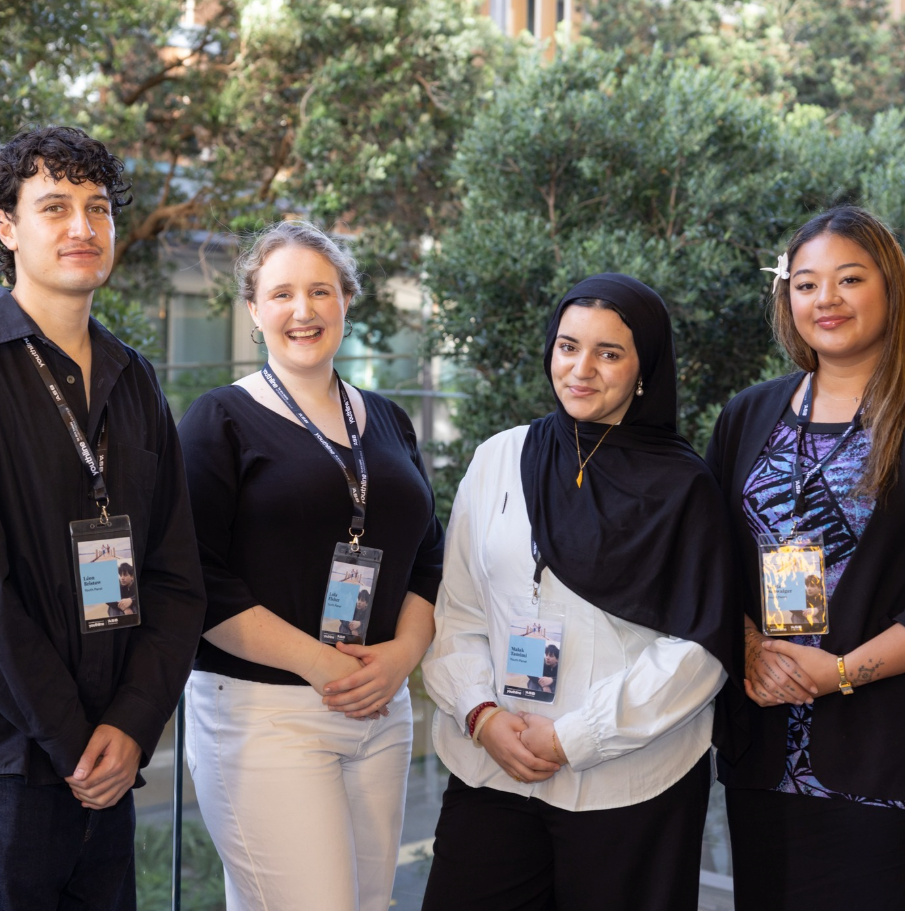
The conference also highlighted the importance of genuinely centring young people within decision-making spaces. We were incredibly proud to see our own Creative Director and Co-Founder, Kayla Schwalger, participate as a panelist within the Youth Zone, as well as joined our Systems Innovator, Sisifa Lui, as a performer within the dedicated space elevating youth leadership and lived experience throughout the conference.
Too often, young people are consulted after decisions have already been made. At Women Deliver, we witnessed what becomes possible when young people are trusted as leaders, contributors, and experts in their own right.
We return home carrying new relationships, fresh ideas, and renewed confidence in the direction of our work.
The conversations at Women Deliver affirmed that systems change begins with people - people reclaiming identity, caring for one another, sharing their stories, and imagining different futures for their communities.


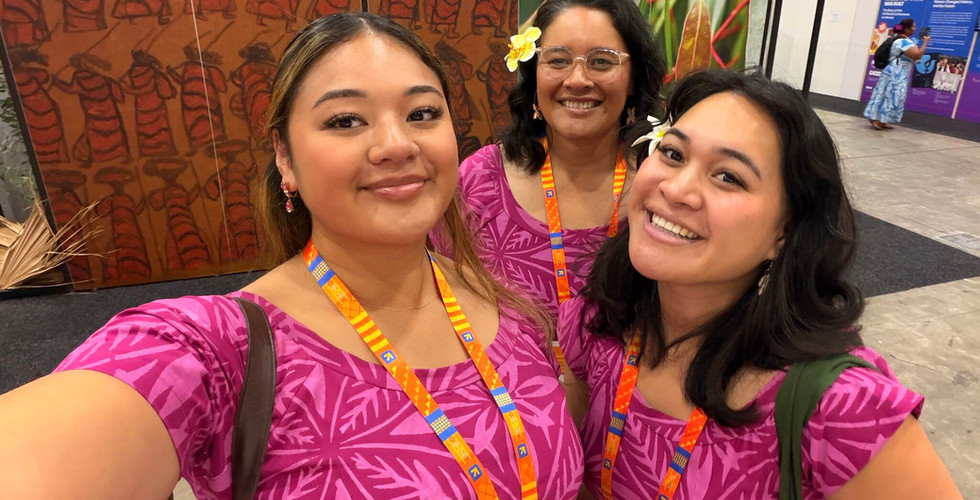
For Tapasā, this means continuing to invest in Pacific youth leadership, community storytelling, cultural reclamation, and collective action. The challenges ahead are complex, but this gathering reminded us that we are not navigating them alone.
Across the world, women are already building the futures they want to see. Our role is to continue doing the same alongside our communities here at home.
Fa'afetai tele lava to everyone who shared their wisdom, stories, and experiences throughout the week. We are grateful to have been part of the conversation and look forward to carrying these learnings into our work across Aotearoa.


Comments